Shravan Month Significance is one of the most important spiritual topics in Hinduism because the holy month of Shravan, also known as Sawan Maas, is entirely dedicated to the worship of Lord Shiva. Every year, millions of devotees across India and around the world eagerly await this sacred month to offer prayers, observe fasts, perform Abhishek, chant powerful Shiva mantras, and seek divine blessings for health, prosperity, peace, and spiritual growth.
Shravan is not just another month in the Hindu calendar—it is a time of devotion, purification, self-discipline, and inner transformation. Temples are beautifully decorated, devotees carry Gangajal during the Kanwar Yatra, families gather for prayers, and Mondays, known as Sawan Somvar, become especially auspicious for Lord Shiva worship.
According to Hindu scriptures, worshipping Lord Shiva during Shravan is believed to multiply the benefits of every prayer and every act of devotion. Whether you perform a simple Jalabhishek, chant “Om Namah Shivaya,” read the Shiv Purana, or observe a Somvar fast, your sincere prayers are said to bring divine grace into your life.
In this complete guide, you will learn everything about the Shravan Month Significance, its mythology, spiritual importance, rituals, fasting rules, scientific relevance, benefits, and how to worship Lord Shiva correctly during this sacred month.
2. What is Shravan Month Significance?
The Shravan Month Significance lies in its deep spiritual connection with Lord Shiva. Shravan, commonly called Sawan, is the fifth month of the Hindu lunar calendar and usually falls between July and August. The month derives its name from the Shravana Nakshatra, one of the twenty-seven lunar constellations.
Among all the months in the Hindu calendar, Shravan is regarded as one of the holiest because it is believed that Lord Shiva becomes especially compassionate towards His devotees during this period. Ancient scriptures mention that sincere worship, fasting, charity, and meditation performed during Shravan produce greater spiritual rewards than at other times of the year.
The atmosphere itself encourages spirituality. Temples remain crowded from early morning until late evening. Devotees wake up before sunrise, take holy baths, wear clean clothes, and visit Shiva temples carrying offerings like water, milk, Bilva leaves, flowers, honey, curd, sandalwood paste, and sacred ash.
The significance of Shravan is not limited to rituals. It is a month that teaches discipline, patience, humility, compassion, forgiveness, and devotion. Many people choose this time to begin daily meditation, practice yoga, reduce negative habits, and dedicate themselves to a simpler lifestyle.
3. The Powerful Story Behind Shravan Month Significance
Understanding the Shravan Month Significance requires knowing one of the greatest stories described in Hindu mythology—the Samudra Manthan or Churning of the Cosmic Ocean.
According to the Puranas, the Devas (gods) and Asuras (demons) worked together to churn the Kshira Sagara, the Ocean of Milk, to obtain Amrit, the nectar of immortality. Mount Mandara served as the churning rod, while the great serpent Vasuki became the rope.
Before the nectar appeared, a deadly poison called Halahala emerged from the ocean. The poison was so destructive that it threatened to annihilate all creation. Neither the gods nor the demons possessed the power to control it.
In desperation, they approached Lord Shiva, the supreme protector and destroyer of evil.
Without hesitation, Lord Shiva drank the poison to save the universe. However, Goddess Parvati gently held His throat so that the poison would not spread throughout His body. The poison remained in His throat, turning it blue and giving Him the name Neelkanth, meaning “The Blue-Throated One.”
The intense heat generated by the poison caused great suffering to Lord Shiva. To cool Him, the gods continuously poured holy water from the River Ganga over His head. This sacred act became the origin of Jalabhishek, one of the most important rituals observed during Shravan today.
This story beautifully represents sacrifice, compassion, courage, and selflessness. It reminds devotees that Lord Shiva willingly accepted suffering to protect the universe, making Him one of the most beloved deities in Hinduism.

4. Why is Shravan Dedicated to Lord Shiva?
Many devotees wonder why this entire month belongs to Lord Shiva instead of any other deity.
There are several reasons mentioned in Hindu scriptures.
The first reason is connected with the Samudra Manthan. Since Lord Shiva consumed the deadly poison during this period, devotees express gratitude by worshipping Him throughout Shravan.
Secondly, many Puranas describe Shravan as the month when divine cosmic energies become highly favourable for meditation and Shiva worship.
Another belief states that Goddess Parvati performed intense penance during Shravan to attain Lord Shiva as her husband. Her unwavering devotion pleased Lord Shiva, and He accepted her as His divine consort.
This is why many unmarried women observe Sawan Somvar fasts to seek a loving and virtuous life partner. Married women also pray during Shravan for the long life, happiness, and prosperity of their husbands and families.
The month also coincides with the monsoon season, which symbolizes fertility, renewal, cleansing, and the rejuvenation of nature. Just as the rains nourish the earth, devotion during Shravan is believed to nourish the soul.
5. Spiritual Importance of Shravan Month Significance
The Shravan Month Significance extends far beyond traditional rituals. Spiritually, this month offers an opportunity for deep inner transformation.
Modern life often keeps people busy with responsibilities, leaving little time for self-reflection. Shravan encourages devotees to slow down and reconnect with their spiritual selves.
Daily worship during this month helps cultivate positive qualities such as:
- Compassion
- Patience
- Forgiveness
- Self-discipline
- Humility
- Gratitude
- Faith
- Contentment
Many spiritual teachers recommend using Shravan as a period for self-improvement. Instead of focusing only on material desires, devotees are encouraged to purify their minds through prayer, meditation, charity, and good deeds.
Meditating on Lord Shiva’s qualities—calmness, wisdom, fearlessness, and detachment—can inspire devotees to lead more balanced and meaningful lives.
For many people, Shravan becomes a month of personal growth, emotional healing, and spiritual awakening.
6. Why Millions Observe Sawan Somvar During Shravan
One of the most significant traditions associated with the Shravan Month Significance is the observance of Sawan Somvar Vrat.
Monday, known as Somvar, is considered Lord Shiva’s favourite day. Every Monday during Shravan is regarded as exceptionally auspicious.
Devotees wake before sunrise, bathe, wear clean clothes, and visit Shiva temples carrying offerings. Many observe a complete fast, while others consume only fruits, milk, or sattvic food after sunset.
The fast is observed with great devotion because devotees believe it brings:
- Good health
- Mental peace
- Financial stability
- Happy married life
- Fulfilment of wishes
- Success in career
- Protection from negative energies
- Spiritual progress
Women especially observe these fasts with great faith. Unmarried women pray for an ideal husband, inspired by Goddess Parvati’s devotion, while married women seek happiness, harmony, and longevity for their spouses.
The day usually concludes with Shiva Aarti, chanting “Om Namah Shivaya,” and distributing prasad among family members and devotees.
7. Sacred Shiva Temples That Become Major Pilgrimage Centres During Shravan
During Shravan, several Shiva temples witness an extraordinary increase in the number of devotees.
Some of the most famous pilgrimage destinations include:
Kashi Vishwanath Temple – Varanasi
One of the twelve Jyotirlingas, this temple is believed to grant liberation to sincere devotees.
Somnath Temple – Gujarat
Known as the first Jyotirlinga, Somnath attracts millions during Shravan.
Kedarnath Temple – Uttarakhand
Nestled in the Himalayas, Kedarnath becomes one of the most visited pilgrimage destinations during this sacred month.
Mahakaleshwar Temple – Ujjain
Renowned for its unique Bhasma Aarti, Mahakaleshwar holds immense significance during Shravan.
Trimbakeshwar Temple – Maharashtra
Another revered Jyotirlinga where devotees perform Rudrabhishek and seek blessings for family well-being.
Thousands of pilgrims travel long distances during Shravan to seek Lord Shiva’s blessings at these sacred temples.
8. Sacred Rituals That Highlight the Shravan Month Significance
The Shravan Month Significance is beautifully reflected through the sacred rituals performed by millions of devotees throughout the month. These rituals are not merely traditional practices but symbolic acts of surrender, gratitude, purification, and devotion towards Lord Shiva. Every offering made during Shravan carries a deeper spiritual meaning and reminds devotees to purify their hearts as they seek the blessings of Mahadev.
Across India, Shiva temples witness long queues of devotees from the early hours of the morning. The sound of temple bells, Vedic chants, and the continuous chanting of “Har Har Mahadev” creates a divine atmosphere that inspires faith and devotion.
Some of the most important rituals observed during Shravan are explained below.
Jalabhishek – Offering Sacred Water
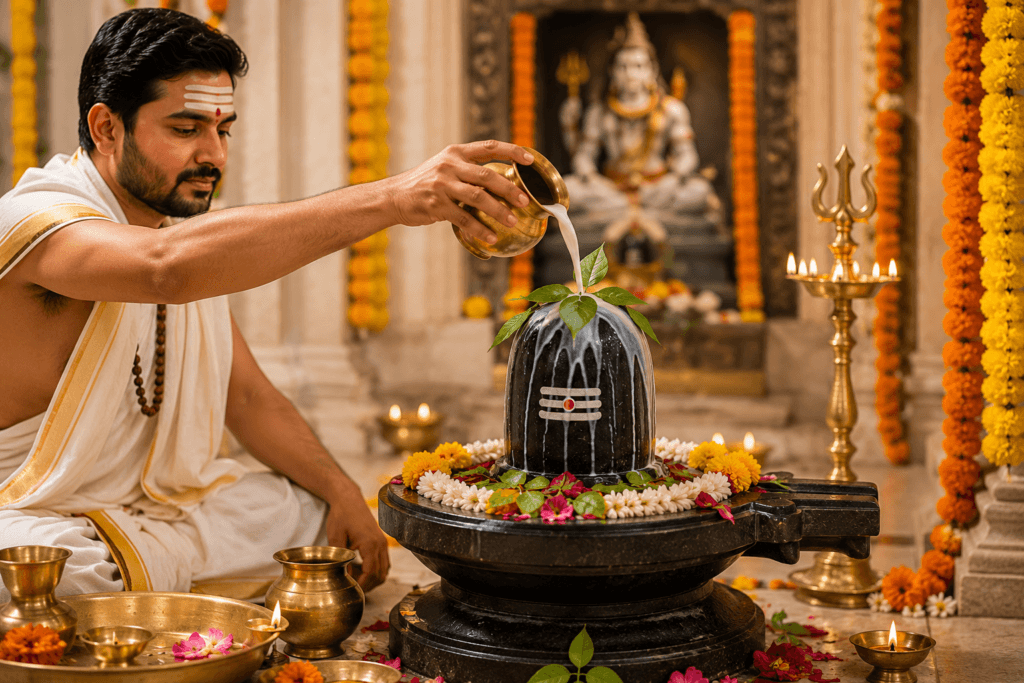
Jalabhishek is one of the oldest and most important rituals associated with Lord Shiva. Devotees pour clean water or Gangajal over the Shiva Lingam while chanting “Om Namah Shivaya.”
According to Hindu beliefs, this ritual commemorates the cooling of Lord Shiva after He consumed the deadly Halahala poison during Samudra Manthan. The flowing water also symbolises purification of the devotee’s mind and the washing away of negative thoughts.
Many devotees perform Jalabhishek every Monday during Shravan, while others visit Shiva temples daily throughout the month.
Milk Abhishek
After offering water, many devotees perform Milk Abhishek. Milk symbolises purity, nourishment, and unconditional devotion.
It is believed that offering milk to Lord Shiva represents surrendering one’s ego and seeking divine guidance in every aspect of life.
Panchamrit Abhishek
Panchamrit is prepared using five sacred ingredients:
- Milk
- Curd
- Honey
- Ghee
- Sugar
Each ingredient represents prosperity, purity, sweetness, strength, and spiritual abundance. Panchamrit Abhishek is commonly performed during Rudrabhishek and special Shravan pujas.
Offering Bilva Leaves
Among all offerings, Bilva (Bel) leaves hold the highest importance in Shiva worship.
The three leaflets of the Bilva leaf are believed to symbolise Lord Shiva’s three eyes, the Trimurti, and the three fundamental qualities of nature—Sattva, Rajas, and Tamas.
Offering fresh Bilva leaves with devotion is considered one of the simplest yet most auspicious ways to worship Lord Shiva.
Lighting a Diya
Lighting a lamp signifies the removal of ignorance and the awakening of inner wisdom.
The flame reminds devotees that just as light removes darkness, true knowledge removes fear, attachment, and negativity from life.
9. The Spiritual Importance of Rudrabhishek During Shravan Month Significance
Among all Shiva rituals, Rudrabhishek occupies a special place during Shravan. This sacred Vedic ceremony is considered one of the most powerful forms of Lord Shiva worship and is performed in homes, temples, and Jyotirlingas across India.
During Rudrabhishek, priests chant verses from the Shri Rudram while continuously offering sacred items over the Shiva Lingam. The rhythmic chanting of Vedic mantras creates an atmosphere filled with devotion and positivity.
The ritual commonly includes offerings such as:
- Gangajal
- Milk
- Honey
- Curd
- Ghee
- Sugar
- Coconut water
- Bilva leaves
- White flowers
- Sandalwood paste
Each offering carries symbolic meaning. Honey represents sweetness in life, milk signifies purity, ghee symbolises prosperity, and Bilva leaves express complete surrender to Lord Shiva.
Many devotees organise Rudrabhishek during Shravan to pray for family harmony, good health, peace of mind, prosperity, and spiritual progress. Beyond material desires, the ritual encourages humility and reminds devotees that true happiness lies in devotion and righteous living.
10. Sawan Somvar Vrat – A Sacred Tradition of Faith and Discipline
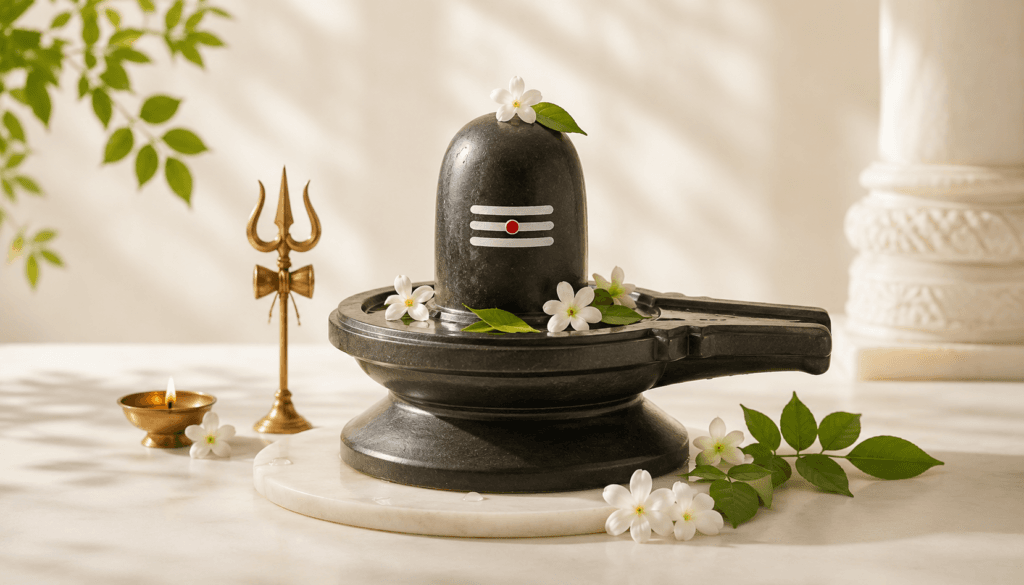
One of the most significant aspects of the Shravan Month Significance is the observance of Sawan Somvar Vrat, the Monday fast dedicated to Lord Shiva.
Monday, or Somvar, has always been associated with Mahadev. During Shravan, every Monday becomes especially auspicious, attracting millions of devotees to Shiva temples across the country.
The fast usually begins before sunrise. Devotees bathe, wear clean clothes, clean their home temple, and perform Shiva Puja with complete devotion.
Many observe a complete fast throughout the day, while others consume only fruits, milk, or vrat-approved foods after offering prayers.
The spiritual purpose of the fast extends beyond avoiding food. Devotees also strive to maintain purity in their thoughts, words, and actions throughout the day.
The Sawan Somvar Vrat is observed with prayers for:
- Good health
- Family happiness
- Mental peace
- Career success
- Financial stability
- Prosperity
- Removal of obstacles
- Spiritual upliftment
According to Hindu tradition, unmarried women observe this vrat seeking an ideal life partner, inspired by Goddess Parvati’s unwavering devotion to Lord Shiva. Married women pray for the long life, well-being, and prosperity of their husbands and families.
The fast concludes in the evening with Shiva Aarti, mantra chanting, and the distribution of prasad among family members and devotees.
11. Kanwar Yatra – A Living Example of Shravan Month Significance
One of the most inspiring spiritual events during Shravan is the Kanwar Yatra, which reflects the extraordinary devotion of Lord Shiva’s followers.
Every year, millions of devotees, known as Kanwariyas, undertake long pilgrimages on foot to collect holy water from sacred rivers such as the Ganga, Yamuna, and other revered water bodies.
The holy water is carried in beautifully decorated bamboo structures called Kanwars. Devotees then walk back to their local Shiva temples to perform Jalabhishek with the sacred water.
Many pilgrims cover distances ranging from a few kilometres to several hundred kilometres, often walking barefoot as an expression of faith and dedication.
Throughout the journey, the air resonates with chants of:
“Bol Bam!”
“Har Har Mahadev!”
The Kanwar Yatra is not merely a pilgrimage; it is a spiritual discipline that teaches patience, endurance, humility, and complete surrender to Lord Shiva.
The journey also strengthens community bonds as volunteers along the route provide food, water, medical assistance, and resting places for pilgrims, reflecting the values of compassion and selfless service that are central to Hindu philosophy.
Powerful Benefits of Worshipping Lord Shiva During Shravan Month Significance
The Shravan Month Significance is not only rooted in ancient scriptures but also reflected in the countless spiritual benefits devotees believe they receive through sincere worship of Lord Shiva. While every prayer offered with faith is considered meaningful, Shravan is believed to amplify the blessings of devotion, making it one of the most spiritually rewarding months in the Hindu calendar.
Below are some of the most significant benefits associated with observing Shravan rituals and worshipping Lord Shiva.
1. Helps Purify the Mind and Soul
Daily prayers, mantra chanting, meditation, and temple visits encourage self-reflection and help devotees let go of negative thoughts. Shravan becomes an opportunity to cleanse the mind and focus on positive living.
2. Strengthens Faith and Devotion
Consistent worship throughout the month nurtures a deeper spiritual connection with Lord Shiva. Devotees often describe Shravan as a period that renews their faith and brings them closer to divine consciousness.
3. Encourages Self-Discipline
Following fasting rules, maintaining purity in food and thoughts, waking early, and participating in daily worship cultivate discipline and self-control that extend beyond the month itself.
4. Promotes Family Harmony
Many families perform Shiva Puja together during Shravan. These shared spiritual practices strengthen relationships, encourage gratitude, and create a peaceful atmosphere at home.
5. Inspires Compassion and Charity
Shravan encourages devotees to perform acts of kindness such as feeding the poor, donating clothes, offering water to travellers, and supporting those in need. These selfless actions are considered an essential part of true devotion.
6. Brings Mental Peace
The chanting of sacred mantras, reading of spiritual texts, and practice of meditation help reduce stress and promote emotional balance. Devotion to Lord Shiva often becomes a source of inner strength during difficult times.
7. Encourages a Healthy Lifestyle
Many devotees adopt a sattvic diet, avoid harmful habits, and observe fasts during Shravan. These practices encourage mindful eating and a healthier daily routine.
8. Supports Spiritual Growth
Rather than focusing solely on material desires, Shravan reminds devotees to seek wisdom, humility, patience, and inner transformation. It becomes a month dedicated to becoming a better human being.
13. Scientific and Cultural Importance of Shravan Month
While the Shravan Month Significance is primarily spiritual, several traditions observed during this month also have practical and cultural relevance.
Shravan falls during the monsoon season when nature undergoes renewal. Rain replenishes rivers, nourishes crops, and restores greenery across the landscape. This seasonal transformation symbolises new beginnings and spiritual purification.
Many devotees consume lighter, sattvic meals during Shravan. Traditionally, this dietary practice aligns with seasonal changes, as lighter foods may be easier to digest during the monsoon months. Individuals with medical conditions should consult a healthcare professional before undertaking prolonged fasts.
Meditation, yoga, mantra chanting, and mindful living—commonly practised during Shravan—are also associated with improved emotional well-being, greater focus, and reduced stress for many individuals.
Culturally, Shravan strengthens communities by bringing families together for prayers, temple visits, festivals, and charitable activities. It also helps preserve ancient traditions and pass spiritual values from one generation to the next.
14. Common Mistakes to Avoid During Shravan
Observing Shravan with sincerity is more important than performing elaborate rituals. However, devotees often avoid certain practices during this sacred month to maintain its spiritual sanctity.
Some common mistakes to avoid include:
- Performing rituals without understanding their meaning.
- Speaking harshly or engaging in unnecessary arguments.
- Consuming intoxicants or foods that go against one’s chosen vrat discipline.
- Wasting food or water used during worship.
- Offering damaged or unclean Bilva leaves.
- Neglecting charity while focusing only on rituals.
- Treating fasting as a formality rather than an act of devotion.
- Forgetting that humility and kindness are as important as temple worship.
Lord Shiva is known as Bholenath, the compassionate one who values sincere devotion above material offerings. A pure heart and honest intentions remain the most meaningful offerings during Shravan.
15. Conclusion: Embrace the True Shravan Month Significance
The Shravan Month Significance extends far beyond rituals and traditions. It is a sacred invitation to slow down, reflect, and reconnect with the divine. Dedicated to Lord Shiva, this holy month reminds devotees that true spirituality is expressed through devotion, compassion, discipline, gratitude, and selfless service.
Whether you observe Sawan Somvar Vrat, perform Jalabhishek, chant “Om Namah Shivaya,” participate in the Kanwar Yatra, or simply spend a few moments each day in sincere prayer, every act of devotion contributes to inner peace and spiritual growth.
Shravan teaches that the greatest transformation begins within. Lord Shiva’s life symbolises sacrifice, simplicity, fearlessness, and unconditional compassion—qualities every devotee can strive to cultivate.
As this auspicious month unfolds, may Lord Shiva bless you and your family with health, happiness, prosperity, wisdom, and unwavering faith.
Har Har Mahadev!
16. Frequently Asked Questions (FAQs) About Shravan Month Significance
1. What is the significance of Shravan Month in Hinduism?
Shravan is considered one of the holiest months in the Hindu calendar and is dedicated to Lord Shiva. Devotees observe fasts, perform Shiva Puja, chant mantras, and seek spiritual growth and divine blessings.
2. Why is Shravan dedicated to Lord Shiva?
According to Hindu mythology, Lord Shiva consumed the deadly Halahala poison during Samudra Manthan to save the universe. Devotees worship Him throughout Shravan to honour this act of compassion and sacrifice.
3. What is Sawan Somvar Vrat?
Sawan Somvar Vrat is a Monday fast observed during Shravan. Devotees worship Lord Shiva and pray for good health, family happiness, prosperity, and spiritual progress.
4. Can anyone observe Shravan fasting?
Yes. Men, women, and young adults may observe Shravan fasting according to their health, family traditions, and personal faith. Those with medical conditions should seek professional medical advice before fasting.
5. What should be offered to Lord Shiva during Shravan?
Common offerings include:
- Gangajal
- Clean water
- Milk
- Bilva leaves
- White flowers
- Honey
- Sandalwood paste
- Fruits
- Panchamrit
6. Why are Bilva leaves important in Shiva worship?
Bilva leaves are considered especially sacred to Lord Shiva. Their three leaflets symbolise spiritual concepts such as Lord Shiva’s three eyes and the Trimurti.
7. Which mantra should be chanted during Shravan?
The most popular mantra is “Om Namah Shivaya.” Many devotees also chant the Maha Mrityunjaya Mantra, Shiva Gayatri Mantra, and Rudrashtakam.
8. Is visiting a temple necessary during Shravan?
No. While temple visits are auspicious, sincere prayers offered at home with faith and devotion are equally meaningful.
9. What is the importance of Kanwar Yatra?
Kanwar Yatra is a sacred pilgrimage during which devotees collect holy river water and offer it to Lord Shiva as part of Jalabhishek.
10. What lessons does Shravan teach us?
Shravan teaches devotion, humility, compassion, discipline, gratitude, patience, and the importance of living a spiritually balanced life.