Makar Sankranti Festival is one of the most important festivals in the Hindu calendar and is celebrated every year on 14th January. Unlike most Hindu festivals that follow the lunar calendar, Makar Sankranti is based on the solar cycle, making it astronomically and spiritually significant.
The festival marks the transition of the Sun into the zodiac sign Capricorn (Makara in Sanskrit) and the beginning of Uttarayana, the northward movement of the Sun. This shift symbolizes longer days, the end of winter, and the arrival of spring—bringing hope, renewal, and prosperity.
Astrological and Religious Significance of Makar Sankranti Festival
Makar Sankranti holds a unique place in Hindu astrology because it signifies a positive cosmic transition. The movement of the Sun toward the northern hemisphere is considered highly auspicious, making this period ideal for:
- Starting new ventures
- Performing religious rituals
- Spiritual self-renewal
- Charity and good deeds
On this day, devotees worship Lord Surya (the Sun God), who represents energy, life, and wisdom. Sacred chants such as the Gayatri Mantra and Vedic hymns are recited to invoke blessings.
Holy River Baths
Taking a dip in sacred rivers like the Ganga, Yamuna, Godavari, Krishna, and Kaveri is believed to cleanse sins and bring spiritual merit. Major pilgrimage sites such as Prayagraj, Haridwar, and Gangasagar witness mass bathing rituals during this time.
Makar Sankranti Festival as a Harvest Celebration
Makar Sankranti is also celebrated as a harvest festival, expressing gratitude to nature, the Sun, and Mother Earth for agricultural abundance. Farmers thank the divine forces for a successful harvest and pray for prosperity in the coming year.
In southern India, this gratitude extends to farm animals, especially cattle, during Mattu Pongal, acknowledging their vital role in agriculture.
Regional Celebrations of Makar Sankranti Festival in India
India’s cultural diversity is beautifully reflected in the different ways Makar Sankranti is celebrated across states.
Pongal – Tamil Nadu
A four-day harvest festival where families cook freshly harvested rice and lentils in decorated clay pots. The second day, Mattu Pongal, is dedicated to honoring cattle with rituals, decorations, and prayers.
Lohri – Punjab & Haryana
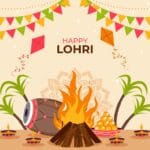
Celebrated with bonfires, folk songs, and traditional dances, Lohri marks the end of winter. Sesame sweets, peanuts, and jaggery are shared among family and friends.
Magh Bihu – Assam
Also known as Bhogali Bihu, it celebrates the end of the harvesting season. People build temporary huts (Meji), prepare community feasts, and light bonfires as symbols of abundance.
Khichdi & Til-Gul – Uttar Pradesh, Bihar, Maharashtra
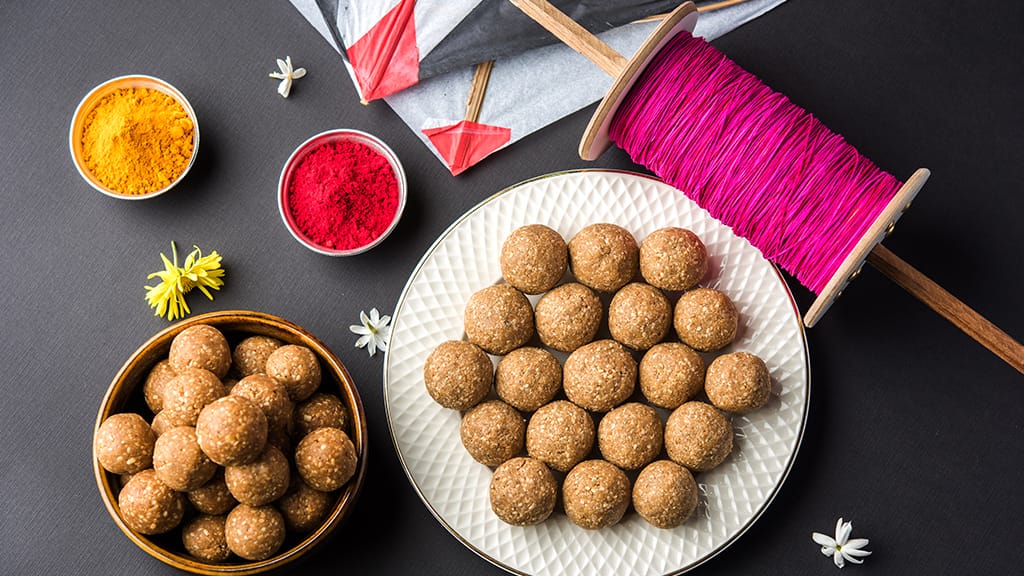
Special foods like khichdi, sesame-jaggery sweets, laddoos, and chikkis are prepared. The famous saying
“Til-gul ghya, god god bola”
encourages forgiveness, harmony, and sweet speech.
Kite Flying – Gujarat
Makar Sankranti is world-famous in Gujarat due to the International Kite Festival in Ahmedabad. The sky fills with vibrant kites, symbolizing joy, freedom, and the victory of light over darkness.
Tradition of Giving – Maharashtra & Karnataka
Married women exchange clay pots, gifts, and sweets during their first Sankranti after marriage, symbolizing new beginnings and marital harmony.
Rituals, Charity, and Cultural Practices
Common rituals of Makar Sankranti festival include:
- Early morning holy baths
- Worship of Lord Surya
- Offering fresh harvest foods
- Charity in the form of food, clothes, and essentials
Charity performed on this day is believed to bring spiritual merit and good fortune.
Sesame seeds and jaggery are central to the festival as they help maintain body warmth in winter and symbolize unity and goodwill. In some regions, people wear black clothes, a rare tradition in Hindu festivals, as black is believed to absorb sunlight and ward off negative energy.
Religious History
According to History, Makar Sankranti symbolizes the victory of good over evil. It is believed that Lord Vishnu defeated the demon Sankarasura on this day, reinforcing the theme of purification and renewal.
In Sikh tradition, Makar Sankranti (Maghi) commemorates the sacrifice of the Forty Martyrs who defended Guru Gobind Singh. Special prayers, processions, and gatherings are held in Punjab.
Fairs, Melas, and Modern Celebrations
Large religious gatherings such as the Kumbh Mela and Gangasagar Mela attract millions of devotees. In urban areas, the festival has evolved to include:
- Kite-flying competitions
- Food festivals
- Cultural performances
- Community celebrations
Despite modernization, the essence of gratitude, unity, and generosity remains unchanged.
Health and Seasonal Wisdom of Makar Sankranti Festival
Traditional foods prepared during Makar Sankranti align with Ayurvedic seasonal wisdom. Ingredients like sesame seeds and jaggery improve digestion, regulate body temperature, and strengthen immunity during winter.
Simple diets, fasting, and light meals are encouraged to maintain physical balance and spiritual focus during the seasonal transition.
Conclusion
Makar Sankranti is a festival that beautifully blends astronomy, spirituality, agriculture, and social harmony. It celebrates light, renewal, gratitude, and togetherness across India’s diverse cultures.
Whether it is Pongal in Tamil Nadu, kite flying in Gujarat, til-gul in Maharashtra, or holy river baths in North India, the message remains the same—embrace positivity, forgive past differences, and welcome a brighter future.
For professional assistance with pujas, rituals, and authentic Hindu festival celebrations, visit panditjeeonline.com, a trusted platform for auspicious events and religious services.