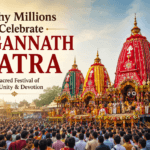
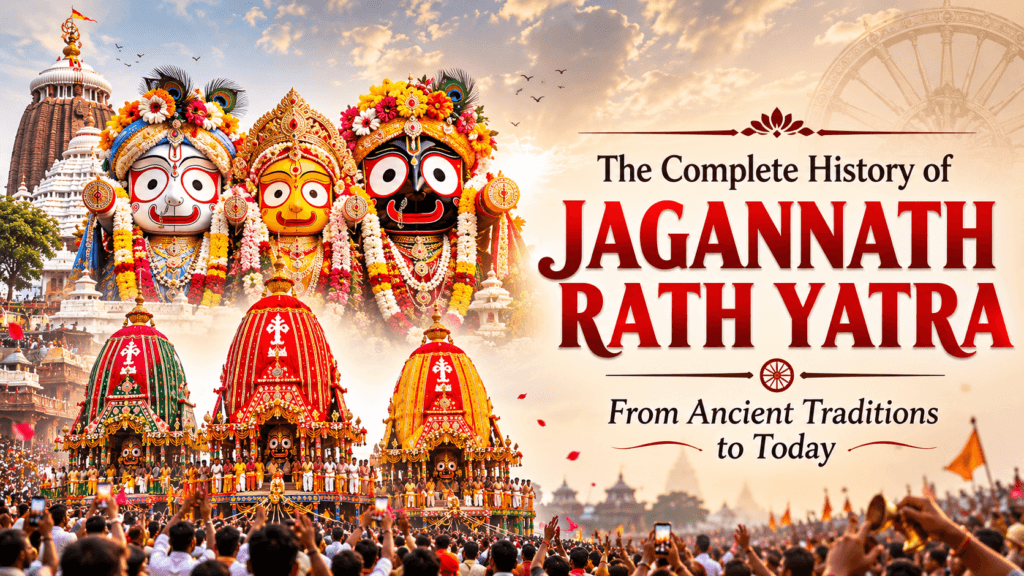
The Complete History of Jagannath Rath Yatra is one of the oldest and most revered Hindu festivals, celebrated with immense devotion and grandeur every year. Held in the sacred city of Puri, Odisha, this magnificent chariot festival attracts millions of devotees from India and across the world. More than just a religious procession, the Rath Yatra symbolizes faith, equality, devotion, and the timeless bond between Lord Jagannath and His devotees. Its history stretches back thousands of years, blending mythology, ancient scriptures, royal traditions, and living cultural heritage.
The Origin of Lord Jagannath
The story of Lord Jagannath begins with King Indradyumna, a devout ruler of Malwa. According to Hindu scriptures, the king dreamt of a divine deity named Neel Madhav, a mysterious form of Lord Vishnu. Determined to find Him, he sent priests and messengers across the land. Eventually, the sacred deity was discovered in a dense forest, but before the king could reach the site, Neel Madhav disappeared.
Soon after, Lord Vishnu appeared in the king’s dream and instructed him to carve divine idols from a sacred log of wood that would wash ashore. The celestial architect Vishwakarma agreed to create the idols under one condition—he would work alone without interruption. However, the king opened the workshop before the idols were complete. As a result, the wooden idols of Lord Jagannath, Lord Balabhadra, and Goddess Subhadra were left in their unique unfinished form, which devotees continue to worship today.
The Beginning of Rath Yatra
The tradition of the Rath Yatra is believed to have originated thousands of years ago. According to legend, Lord Jagannath, accompanied by His elder brother Balabhadra and sister Subhadra, visits the Gundicha Temple, considered the home of His aunt. This annual journey symbolizes the Lord stepping out of His temple to bless all devotees, regardless of caste, status, or background.
Unlike most temple rituals where devotees visit the deity, Rath Yatra represents the Lord coming out to meet His people. This powerful message of accessibility and equality has made the festival one of the most inclusive celebrations in Hinduism.
References in Ancient Scriptures
The Jagannath Rath Yatra is mentioned in several ancient Hindu texts, including the Skanda Purana, Brahma Purana, Padma Purana, and Narada Purana. These scriptures describe the spiritual importance of the festival and emphasize that participating in or witnessing the Rath Yatra brings divine blessings and spiritual merit.
The Jagannath Temple itself is one of the four sacred Char Dham pilgrimage sites established in Hindu tradition, making it one of the holiest destinations for devotees of Lord Vishnu.
The Construction of the Chariots
One of the most remarkable aspects of the festival is that the three magnificent chariots are built entirely from scratch every year. Skilled artisans use specific types of sacred wood following centuries-old traditions and measurements.
Each deity has a unique chariot:
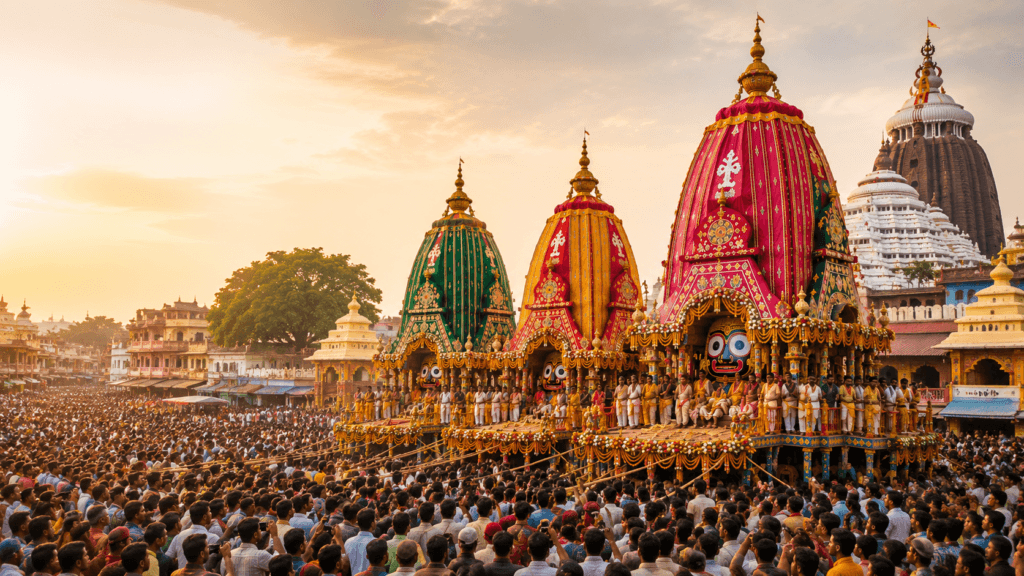
- Nandighosha – The majestic chariot of Lord Jagannath.
- Taladhwaja – The grand chariot of Lord Balabhadra.
- Darpadalana (Devadalana) – The beautiful chariot of Goddess Subhadra.
The construction begins months before the festival and follows strict religious guidelines. Every rope, wheel, decoration, and wooden beam is crafted with devotion and precision, preserving a tradition that has continued for generations.
The Grand Procession
On the day of Rath Yatra, the three deities are ceremonially placed on their beautifully decorated chariots. Thousands of devotees gather to pull the massive wooden chariots through the streets of Puri to the Gundicha Temple.
The atmosphere is filled with devotional chants of “Jai Jagannath,” the sound of conch shells, traditional music, and immense joy. It is believed that pulling the sacred ropes of Lord Jagannath’s chariot is an act of great spiritual significance that helps devotees attain divine blessings.
The Royal Tradition – Chhera Pahanra
An extraordinary ritual known as Chhera Pahanra takes place before the procession begins. The Gajapati King of Puri, regarded as the foremost servant of Lord Jagannath, sweeps the chariot platforms with a golden broom while sprinkling sandalwood water.
This ritual symbolizes humility and reminds everyone that no matter how powerful or wealthy a person may be, all are equal before God.
Bahuda Yatra – The Return Journey
After spending several days at the Gundicha Temple, Lord Jagannath, Balabhadra, and Subhadra begin their return journey to the Jagannath Temple. This return procession is known as Bahuda Yatra.
During the return, the deities stop at the Mausi Maa Temple, where Lord Jagannath is traditionally offered Poda Pitha, a special baked delicacy cherished in Odisha. This ritual highlights the affectionate relationship between the Lord and His devotees.
Suna Besha – The Golden Attire
Following Bahuda Yatra, the deities are adorned with magnificent gold ornaments in a ritual called Suna Besha. Lord Jagannath, Balabhadra, and Subhadra appear in dazzling golden attire, attracting lakhs of devotees who gather for this divine spectacle.
The golden decoration symbolizes prosperity, protection, and divine majesty while reminding devotees that true wealth lies in devotion.
Rath Yatra in Modern Times
Today, Jagannath Rath Yatra has become a global celebration. While Puri remains the heart of the festival, grand Rath Yatras are organized in Ahmedabad, Mumbai, Delhi, Kolkata, Bengaluru, Hyderabad, London, New York, Toronto, Sydney, and many other cities around the world.
Advancements in technology allow millions of devotees to watch the festival through live broadcasts and digital platforms, enabling people across the globe to experience its spiritual grandeur.
Despite modernization, the core traditions of the festival remain unchanged, preserving centuries of faith and cultural heritage.
Spiritual Significance Today
Jagannath Rath Yatra continues to inspire people because it teaches timeless values:
- Equality beyond caste, religion, and social status.
- Compassion and service to humanity.
- Faith in divine grace.
- Humility before God.
- Unity through devotion.
The festival reminds us that Lord Jagannath belongs to everyone and welcomes every devotee with unconditional love.
Celebrate with Authentic Vedic Rituals
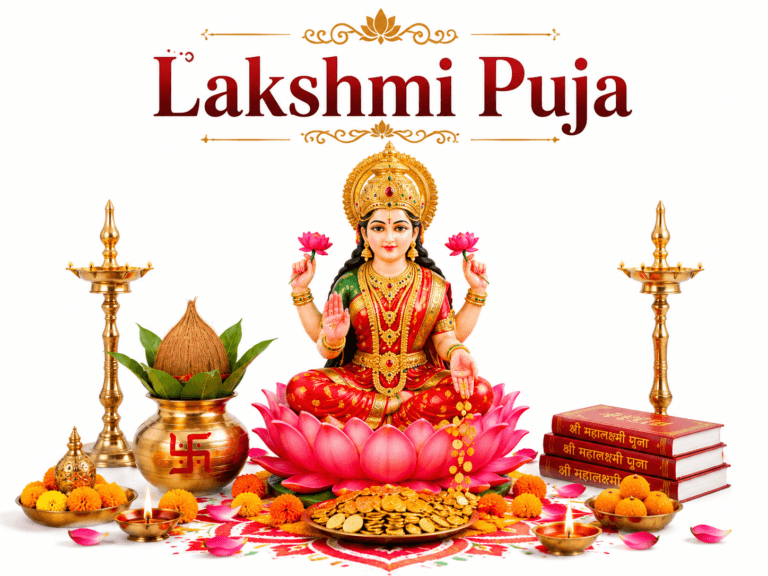
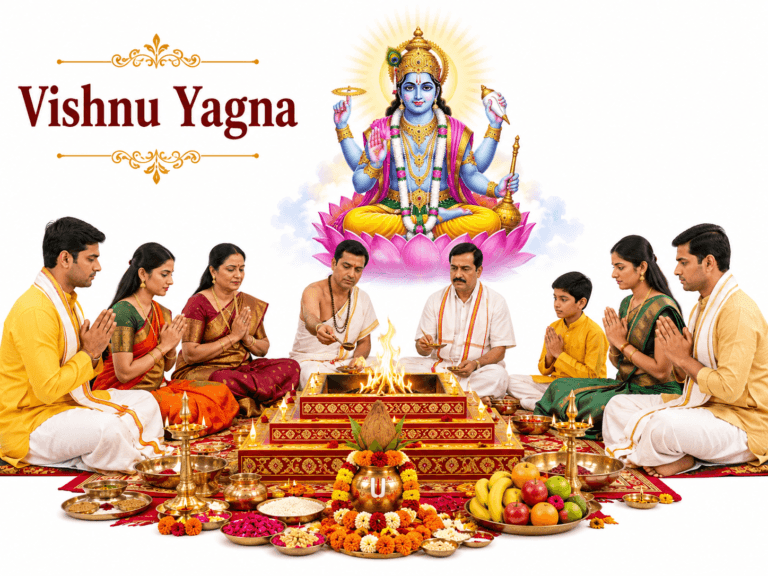
The auspicious period of Rath Yatra is considered ideal for performing spiritual ceremonies such as Satyanarayan Katha, Vishnu Puja, Lakshmi Narayan Puja, Havan, Griha Shanti, and Vastu Shanti.
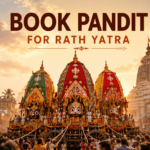
Booking a knowledgeable and experienced Vedic pandit ensures that these sacred rituals are performed according to traditional scriptures and customs, allowing families to seek divine blessings for health, prosperity, and peace.
Conclusion
The history of Jagannath Rath Yatra is a remarkable journey of faith that has endured for centuries. From the divine legend of King Indradyumna to the magnificent annual procession in Puri, the festival continues to unite millions of devotees with a message of love, equality, humility, and devotion.
More than an ancient tradition, Jagannath Rath Yatra is a living celebration of India’s rich spiritual heritage. Every rolling chariot, every chant of “Jai Jagannath,” and every devotee pulling the sacred ropes reflects an enduring belief that the Lord Himself comes to bless His people. This timeless festival continues to inspire generations, making it one of the greatest expressions of devotion in the world.