Introduction: What is Maha Shivratri and Why is it Celebrated?
Maha Shivratri, literally meaning “The Great Night of Shiva,” is one of the most significant Hindu festivals dedicated to Lord Shiva. Celebrated annually on the 14th day of the dark fortnight in the month of Phalguna (February-March), this sacred night holds immense spiritual, religious, and cultural importance for millions of devotees worldwide.
Unlike most Hindu festivals that are celebrated during the day, Maha Shivratri is observed throughout the night, making it unique and spiritually powerful. Devotees fast, perform puja, chant mantras, and stay awake all night to receive Lord Shiva’s divine blessings.
In this comprehensive guide, we’ll explore everything you need to know about Maha Shivratri, its significance, rituals, benefits, and how to perform the puja correctly with the help of experienced pandits from PanditjeeOnline.
Table of Contents
- Maha Shivratri Date
- Historical Significance
- Spiritual Importance of Maha Shivratri
- Complete Maha Shivratri Puja Vidhi
- Fasting Rules and Guidelines
- Powerful Mantras for Maha Shivratri
- Benefits of Celebrating Maha Shivratri
- Why You Need a Pandit for Maha Shivratri
- How to Book Pandit Online
- Frequently Asked Questions
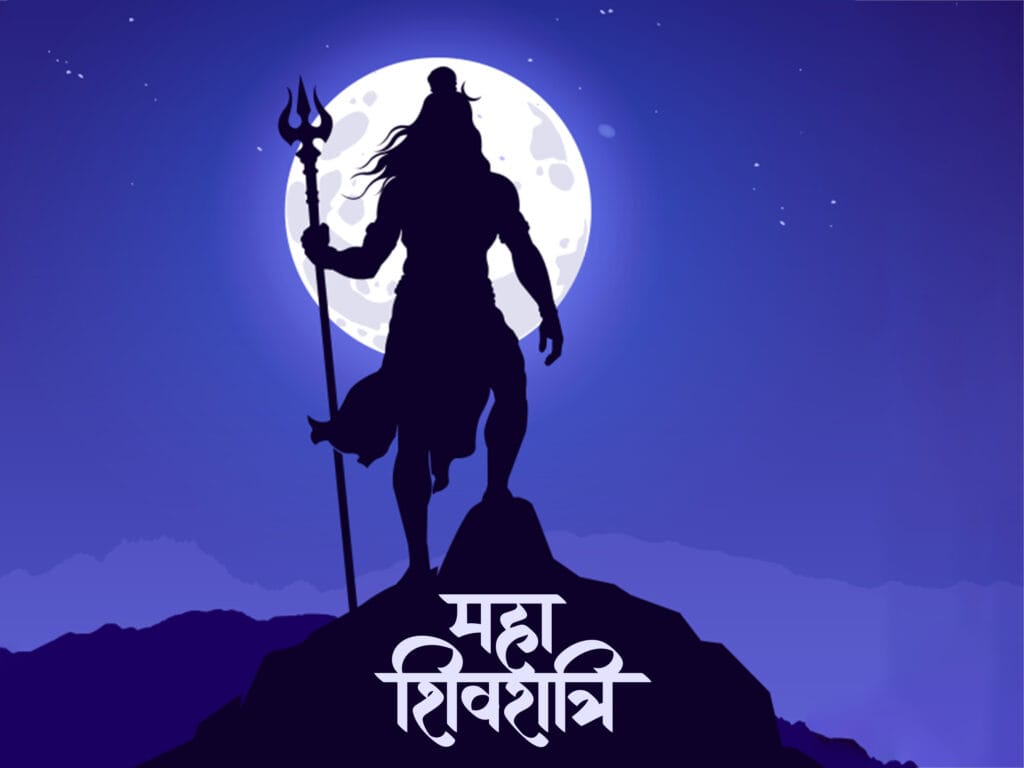
Maha Shivratri Date
Maha Shivratri in 2026 will be celebrated on Sunday, February 15, 2026.
The festival falls on the Chaturdashi Tithi (14th day) of the Krishna Paksha (waning moon) in the Hindu month of Phalguna. The most auspicious time for worship is during the Nishita Kaal (midnight), which is considered the most powerful period for Shiva puja.
Nishita Kaal Puja Time – 12:28 AM to 01:17 AM, Feb 16
- Ratri First Prahar Puja Time – 06:39 PM to 09:45 PM
- Ratri Second Prahar Puja Time – 09:45 PM to 12:52 AM, Feb 16
- Ratri Third Prahar Puja Time – 12:52 AM to 03:59 AM, Feb 16
- Ratri Fourth Prahar Puja Time – 03:59 AM to 07:06 AM, Feb 16
- Chaturdashi Tithi Begins – 05:04 PM on Feb 15, 2026
- Chaturdashi Tithi Ends – 05:34 PM on Feb 16, 2026
Note: For exact timings specific to your location and to book an experienced pandit for Maha Shivratri, visit PanditjeeOnline.
Historical Significance of Maha Shivratri
Maha Shivratri is steeped in ancient mythology, with several fascinating legends explaining its origin and importance.
1. The Samudra Manthan (Churning of the Ocean)
The most popular legend associated with Maha Shivratri is the story of Samudra Manthan. According to Hindu scriptures, when gods (Devas) and demons (Asuras) churned the cosmic ocean to obtain Amrit (nectar of immortality), fourteen precious things emerged from the ocean.
However, before the nectar appeared, a deadly poison called Halahala emerged, threatening to destroy the entire universe. Neither the gods nor demons wanted to touch this lethal poison. In this moment of cosmic crisis, Lord Shiva intervened to save creation.
With compassion for all beings, Lord Shiva consumed the poison. However, Goddess Parvati, concerned for her husband’s safety, held his throat to prevent the poison from going down. The poison remained in Shiva’s throat, turning it blue. This is why Lord Shiva is also called Neelkanth (the blue-throated one).
Maha Shivratri commemorates this selfless act of Lord Shiva, who put the welfare of the universe above his own safety.
2. The Divine Marriage of Shiva and Parvati
Another beautiful legend states that Maha Shivratri marks the auspicious night when Lord Shiva married Goddess Parvati. This celestial wedding represents the perfect union of:
- Shiva (Consciousness) and Shakti (Energy)
- Purusha (Spirit) and Prakriti (Nature)
- Masculine and Feminine principles
This divine marriage symbolizes balance, harmony, and the completeness that comes from the union of complementary forces. Devotees seeking marital bliss, relationship harmony, or a suitable life partner often worship on this night with special devotion.
3. The Manifestation of the Infinite Jyotirlinga
According to Shiva Purana, once Brahma and Vishnu were arguing about who was supreme among them. To settle this dispute, Lord Shiva manifested as an enormous pillar of light (Jyotirlinga) that had no beginning or end.
Brahma took the form of a swan and flew upward to find the top of the pillar, while Vishnu became a boar and went downward to find its base. Both searched for thousands of years but could not find either end of the infinite light.
This manifestation occurred on Maha Shivratri, demonstrating that Lord Shiva represents the formless, infinite, eternal reality that transcends all limitations. The twelve Jyotirlingas scattered across India are believed to be especially powerful on this night.
4. The Night of Tandava – The Cosmic Dance
Some scriptures describe Maha Shivratri as the night when Lord Shiva performed the Tandava, his cosmic dance of creation, preservation, and destruction. This divine dance represents the continuous cycle of the universe and the rhythm of cosmic energy.
Spiritual Importance of Maha Shivratri {#spiritual-significance}
Beyond mythology, Maha Shivratri holds profound spiritual significance that makes it one of the most important nights in the Hindu calendar.
Astronomical and Cosmic Significance
From a yogic and astronomical perspective, Maha Shivratri is special because of the planetary positions on this night. The convergence of celestial energies creates a natural upsurge of spiritual energy in the human system.
Key Spiritual Aspects:
- Natural Energy Upsurge: The earth’s position on this night creates an opportunity for spiritual seekers to raise their consciousness with minimal effort.
- Enhanced Meditation: Staying in a vertical position (sitting upright or standing) throughout the night helps this natural energy move upward through the spine, facilitating deeper meditation.
- Karmic Cleansing: This night is considered ideal for washing away past sins and negative karma. Sincere prayers and meditation can help devotees break free from the cycle of birth and death.
- Path to Moksha: Devotees believe that worship performed on Maha Shivratri with devotion can lead to liberation (moksha) from worldly attachments.
Why Stay Awake on Maha Shivratri?
The practice of staying awake throughout Maha Shivratri (known as Ratri Jaagaran) is not just a ritual but a powerful spiritual technique:
- Consciousness over Sleep: It symbolizes awareness, discipline, and the victory of consciousness over ignorance
- Spinal Alignment: Maintaining an upright posture helps energy flow correctly through the chakras
- Continuous Worship: The night is divided into four quarters (praharas), with worship performed in each
- Mental Alertness: Staying awake helps maintain focused devotion and prevents the mind from wandering
Complete Maha Shivratri Puja Vidhi (Step-by-Step Procedure)
Performing Maha Shivratri puja with proper rituals and procedures is essential to receive maximum spiritual benefits. Here’s a comprehensive guide to the traditional puja vidhi:
Puja Samagri (Materials Required)
Before starting the puja, gather all necessary items:
Essential Items:
- Shiva Linga or Shiva idol/picture (Parthiv Shiva Linga is mostly preferable)
- Bel leaves (Bilva Patra) – at least 108
- Flowers (white, datura flowers if available)
- Fruits (especially ber/jujube fruit)
- Milk (cow’s milk preferred)
- Yogurt (curd)
- Pure honey
- Pure ghee (clarified butter)
- Sugar or jaggery
- Gangajal (holy Ganges water) or clean water
- Vibhuti (sacred ash)
- Sandalwood paste
- Incense sticks (dhoop and agarbatti)
- Camphor
- Oil lamp (diya)
- Panchamrit (mixture of milk, curd, honey, ghee, and sugar)
- Rice grains (akshat)
- Coconut
- Betel leaves and nuts
- New clothes or piece of cloth for offering
Special Items:
- Rudraksha mala for chanting
- Bell (ghanti)
- Copper or brass kalash (pot)
Step-by-Step Puja Procedure
Step 1: Purification and Preparation (Sankalp)
Start by taking a bath and wearing clean clothes. Sit facing east or north. Clean the puja area thoroughly. Place a clean cloth on the platform where you’ll perform the puja. Place the Shiva Linga or idol on it.
Take water in your right palm, state your intention (sankalp) for performing the puja, and sprinkle the water around the puja area for purification.
Step 2: Invocation (Avahana)
Light the oil lamp and incense sticks. Ring the bell and invoke Lord Shiva’s presence with folded hands. Chant:
"Samb Sadashiv"Step 3: Panchamrit Abhishekam (Sacred Bathing)
This is the most important part of Maha Shivratri puja. Perform abhishekam (ritual bathing) of the Shiva Linga with the following items in sequence:
- Water: Pour clean water or Gangajal while chanting “Om Namah Shivaya”
- Milk: Bathe the Linga with milk for purification and nourishment
- Yogurt: Offer yogurt for prosperity
- Honey: Pour honey for sweetness and divine connection
- Ghee: Offer ghee for strength and victory
- Sugar or Jaggery solution: For happiness and satisfaction
- Panchamrit: Finally, offer the mixture of all five
After each offering, clean the Linga with water and offer flowers.
Step 4: Rudrabhishek with Mantras
While performing abhishekam, chant powerful mantras like:
- Samb Sadashiv
- Maha Mrityunjaya Mantra
- Rudra Sukta
- Shiva Ashtakam
For proper pronunciation and complete Rudrabhishek procedure, booking an experienced pandit for Maha Shivratri through PanditjeeOnline is recommended.
Step 5: Offering of Bel Leaves
Offer bel leaves (in sets of three, representing the three eyes of Shiva or the three gunas) while chanting:
"Samb Sadashiv"Traditionally, 108 bel leaves are offered. Each leaf should be fresh, clean, and without holes.
Step 6: Adorning the Deity
- Apply sandalwood paste
- Offer flowers (especially white flowers)
- Dress the Linga with a new cloth
- Offer sacred ash (vibhuti)
- Place a rudraksha mala
Step 7: Dhoop and Deep (Incense and Lamp)
Wave incense sticks in front of the deity in a circular motion. Then perform aarti with the oil lamp, moving it clockwise.
Step 8: Naivedya (Food Offering)
Offer fruits, especially ber fruit, and other sattvic food items. Some devotees prepare special bhog like kheer, thandai, or other sweet dishes.
Step 9: Aarti and Prayers
Perform the traditional Shiva aarti while ringing the bell. Sing devotional songs and bhajans. Chant the 108 names of Shiva or Shiva Chalisa.
Step 10: Pradakshina and Pranam
Circumambulate the deity (if you have a proper idol/Linga setup) and prostrate before Lord Shiva to seek blessings.
Four Prahar Puja (Quarterly Night Worship)
The night of Maha Shivratri is divided into four quarters (praharas), and ideally, puja should be performed during each:
- First Prahar (Evening 6-9 PM): Initial puja and abhishekam
- Second Prahar (9 PM-12 AM): Repeat abhishekam with chanting
- Third Prahar (12 AM-3 AM – Most auspicious): Special Rudrabhishek and intensive worship
- Fourth Prahar (3 AM-6 AM): Final abhishekam and aarti
Performing all four prahar pujas correctly requires expertise and stamina. Having a qualified pandit for Maha Shivratri ensures proper execution of all rituals.
Maha Shivratri Fasting Rules and Guidelines
Fasting (vrat) on Maha Shivratri is considered highly auspicious and spiritually beneficial. However, it’s important to follow the correct guidelines.
Types of Fasts
1. Nirjala Vrat (Strict Fast)
- No food or water for the entire day and night
- Only for those in good health
- Most spiritually rigorous
2. Phalahar Vrat (Fruit Fast)
- Fruits, milk, and water allowed
- No grains, salt, or cooked food
- Suitable for most people
3. Saatvik Vrat (Light Fast)
- Light sattvic food allowed once
- No onion, garlic, grains, or salt
- For those who cannot do stricter fasts
Fasting Schedule
Morning:
- Wake up before sunrise
- Take a bath and wear clean clothes
- Offer morning prayers
- Declare your intention to fast (sankalp)
During the Day:
- Avoid all prohibited foods
- Stay engaged in spiritual activities
- Read scriptures or chant mantras
- Visit Shiva temple if possible
Evening to Night:
- Perform Maha Shivratri puja
- Stay awake throughout the night
- Engage in bhajans, kirtans, or meditation
- Continue chanting “Om Namah Shivaya”
Next Morning (Breaking the Fast):
- Break the fast after sunrise the next day
- After completing morning prayers
- With simple, sattvic food
Who Should Fast?
✅ Recommended For:
- Healthy adults seeking spiritual benefits
- Devotees wanting karmic cleansing
- Those seeking specific blessings from Lord Shiva
❌ Not Recommended For:
- Pregnant or breastfeeding women
- Elderly with health conditions
- People with diabetes, heart problems, or other serious illnesses
- Anyone advised against fasting by doctors
Always consult your doctor before observing strict fasts.
Powerful Mantra for Maha Shivratri
Mantra chanting is an integral part of Maha Shivratri worship. The vibrations created by these sacred sounds help purify the mind and attract divine blessings.
1. Maha Mrityunjaya Mantra
ॐ त्र्यम्बकं यजामहे सुगन्धिं पुष्टिवर्धनम्
उर्वारुकमिव बन्धनान्मृत्योर्मुक्षीय माऽमृतात्

Om Tryambakam Yajamahe Sugandhim Pushtivardhanam
Urvarukamiva Bandhanan Mrityor Mukshiya Maamritat
Meaning: “We worship the three-eyed Lord Shiva who is fragrant and nourishes all beings. May he liberate us from death for the sake of immortality, even as a cucumber is severed from its bondage to the vine.” Benefits: Health, healing, protection from untimely death, spiritual liberation Chanting: Minimum 11 times, ideally 108 times
Important Guidelines for Mantra Chanting
- Pronunciation: Correct pronunciation is crucial for mantras to be effective
- Concentration: Focus your mind completely while chanting
- Posture: Sit in a comfortable, upright position
- Mala: Use a rudraksha mala for counting (108 beads)
- Direction: Face east or north while chanting
- Timing: Early morning (Brahma Muhurta) or during the four praharas of Maha Shivratri
For learning correct pronunciation and proper mantra recitation, consider booking a pandit for Maha Shivratri from PanditjeeOnline who can guide you through the entire process.
Benefits of Celebrating Maha Shivratri
Observing Maha Shivratri with devotion brings numerous benefits across spiritual, mental, emotional, and material dimensions.
Spiritual Benefits
1. Karmic Cleansing
- Washes away past sins and negative karma
- Breaks patterns of negative behavior
- Purifies the soul for spiritual progress
2. Spiritual Awakening
- Enhanced meditation experiences
- Increased spiritual awareness
- Activation of higher consciousness
3. Path to Moksha
- Liberation from the cycle of birth and death
- Freedom from worldly attachments
- Union with divine consciousness
4. Divine Grace
- Direct blessings from Lord Shiva
- Protection from negative energies
- Spiritual guidance in life’s journey
Mental and Emotional Benefits
1. Inner Peace
- Calms the restless mind
- Reduces anxiety and stress
- Brings mental clarity
2. Emotional Balance
- Helps process difficult emotions
- Increases emotional resilience
- Develops compassion and love
3. Increased Focus
- Improves concentration
- Enhances decision-making abilities
- Brings mental discipline
4. Positive Transformation
- Breaks negative thought patterns
- Cultivates positive habits
- Develops self-control
Material and Worldly Benefits
1. Health and Healing
- Protection from diseases
- Recovery from illness
- Increased vitality and energy
2. Prosperity and Success
- Removes obstacles to success
- Attracts abundance
- Helps in career advancement
3. Relationship Harmony
- Improves marital relationships
- Attracts suitable life partner
- Strengthens family bonds
- Resolves conflicts
4. Protection
- Guards against accidents and mishaps
- Protection from enemies
- Safety for family members
Scientific Benefits of Fasting and Night Vigil
Modern science also recognizes some benefits of the Maha Shivratri practices:
- Autophagy: Fasting triggers cellular cleaning and regeneration
- Mental Alertness: Staying awake enhances cognitive function temporarily
- Circadian Reset: Night vigil can help reset sleep patterns
- Stress Reduction: Meditation and chanting reduce cortisol levels
- Improved Digestion: Fasting gives the digestive system rest
Why You Need a Qualified Pandit for Maha Shivratri
While personal devotion is the foundation of any spiritual practice, having an experienced pandit guide your Maha Shivratri puja significantly enhances its spiritual effectiveness.
Importance of Proper Ritual Performance
1. Correct Mantras and Pronunciation
Sanskrit mantras have specific sound vibrations that activate spiritual energies. Incorrect pronunciation can:
- Reduce the mantra’s effectiveness
- Create imbalanced energies
- Miss the intended spiritual benefits
An experienced pandit for Maha Shivratri knows:
- Proper Sanskrit pronunciation
- Correct intonation and rhythm
- Traditional recitation methods
- Regional variations in rituals
2. Proper Sequence and Timing
Vedic rituals follow a specific sequence that aligns with cosmic energies. A knowledgeable pandit ensures:
- Correct order of offerings
- Appropriate timing for each ritual phase
- Proper coordination with the four praharas
- Alignment with muhurta (auspicious time)
3. Complete Understanding of Symbolism
Every element of the puja has deep symbolic meaning:
- Each offering represents a specific aspect of devotion
- Gestures (mudras) activate different energies
- The arrangement creates sacred geometry
- Colors, flowers, and materials have specific significance
4. Personalized Puja Based on Your Needs
An experienced pandit can:
- Customize mantras for specific intentions
- Suggest additional rituals for particular goals
- Recommend suitable offerings based on your chart
- Guide you on follow-up practices
5. Avoiding Common Mistakes
Without proper guidance, devotees might:
- Miss essential steps in the puja
- Use incorrect materials or substitutes
- Perform rituals in the wrong sequence
- Mispronounce crucial mantras
- Violate traditional puja protocols
What Makes a Good Pandit?
When booking a pandit for Maha Shivratri, look for:
✅ Educational Qualification
- Formal training in Vedic scriptures
- Deep knowledge of Shiva worship traditions
- Understanding of Sanskrit
✅ Experience
- Years of performing Maha Shivratri pujas
- Positive testimonials from devotees
- Track record of successful ceremonies
✅ Devotion and Character
- Personal practice and discipline
- Respectful behavior
- Sincere dedication to tradition
✅ Communication Skills
- Ability to explain rituals clearly
- Patience with questions
- Willingness to teach
✅ Flexibility
- Adapts to your schedule
- Works within your budget
- Accommodates special requests
How to Book a Pandit for Maha Shivratri Through PanditjeeOnline
In today’s digital age, finding and booking a qualified pandit has become easier than ever. PanditjeeOnline offers a seamless platform connecting devotees with experienced Vedic pandits across India.
Why Choose PanditjeeOnline?
1. Verified and Qualified Pandits
- All pandits are thoroughly verified
- Educational credentials checked
- Experience and expertise validated
- Background verification completed
2. Wide Selection
- Pandits specializing in different traditions
- Regional language options
- Various experience levels and expertise
- Availability across multiple cities
3. Transparent Pricing
- Clear, upfront cost structure
- No hidden charges
- Value for money
4. Convenient Booking Process
- Easy online booking
- Flexible scheduling
- Home or temple puja options
- Last-minute bookings available
5. Complete Support
- Guidance on puja samagri
- Pre-puja consultation
- Post-puja follow-up
- Customer support assistance
Tips for a Successful Booking Experience
✅ Book Early Maha Shivratri sees high demand. Book at least 1-2 weeks in advance to get your preferred pandit and timing.
✅ Be Clear About Requirements Specify your expectations, any dietary restrictions, time constraints, or special needs upfront.
✅ Prepare Questions List any questions about the puja, rituals, or requirements to discuss during the pre-puja consultation.
✅ Confirm Details A day before the puja, reconfirm the timing, address, and any last-minute arrangements.
✅ Create Sacred Space Prepare a clean, peaceful area for the puja, free from disturbances.
✅ Be Present Even though the pandit will conduct the rituals, your presence and focused attention enhance the spiritual benefits.
Maha Shivratri: Special Practices and Traditions
Visiting Shiva Temples
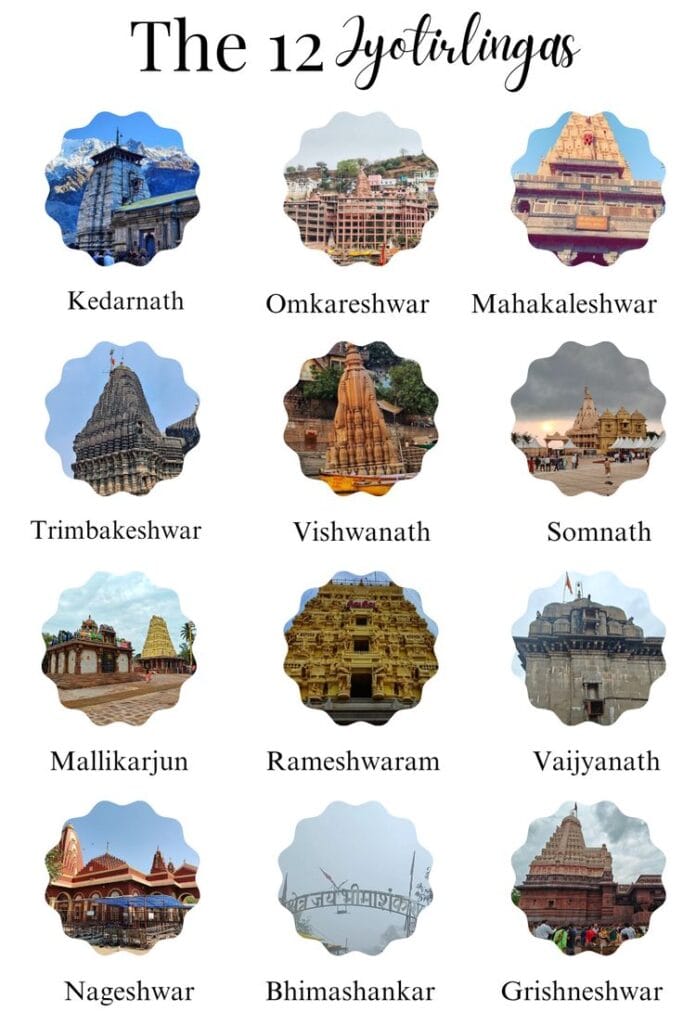
Many devotees visit famous Shiva temples on Maha Shivratri, especially the 12 Jyotirlingas:
- Somnath (Gujarat)
- Mallikarjuna (Andhra Pradesh)
- Mahakaleshwar (Madhya Pradesh)
- Omkareshwar (Madhya Pradesh)
- Kedarnath (Uttarakhand)
- Bhimashankar (Maharashtra)
- Vishwanath (Uttar Pradesh)
- Trimbakeshwar (Maharashtra)
- Vaidyanath (Jharkhand)
- Nageshwar (Gujarat)
- Rameshwar (Tamil Nadu)
- Grishneshwar (Maharashtra)
Visiting these temples on Maha Shivratri is considered especially auspicious.
Regional Celebrations
North India:
- Grand celebrations at temples
- Cultural programs and bhajan sessions
- Community feasts post-puja
- Traditional thandai and bhang preparations
South India:
- All-night devotional singing
- Temple processions
- Special abhishekams
- Classical music and dance performances
East India:
- Cannabis-based bhang as ritual offering (where traditional)
- Community gatherings
- Folk music and dance
- Mass feeding programs
West India:
- Pilgrimage to Somnath
- Elaborate temple decorations
- Night-long kirtans
- Special prasad distributions
Modern Adaptations
Virtual Pujas: With the rise of digital connectivity, many pandits now offer:
- Online puja participation
- Live-streamed rituals
Frequently Asked Questions (FAQs)
Q1: What is the best time to perform Maha Shivratri puja?
A: The most auspicious time is during Nishita Kaal (midnight), typically between 12 AM and 3 AM. However, the entire night is considered sacred, and puja can be performed during any of the four praharas (quarters) of the night.
Q2: Can women observe Maha Shivratri fast?
A: Yes, women can observe Maha Shivratri fast. However, pregnant women, new mothers, and those with health conditions should consult their doctors first and may observe a lighter fast with fruits and milk.
Q3: What should I eat during Maha Shivratri fasting?
A: During phalahar (fruit fast), you can consume:
- Fresh fruits
- Milk and milk products
- Nuts and dry fruits
- Sabudana (tapioca pearls)
- Singhara (water chestnut) flour dishes
- Coconut water
Avoid grains, salt, onion, garlic, and all non-vegetarian food.
Q4: Can I perform Maha Shivratri puja at home?
A: Absolutely! Home puja is very auspicious. For proper ritual performance, consider booking a pandit for Maha Shivratri through PanditjeeOnline to guide you through the correct procedures.
Q5: What if I cannot stay awake all night?
A: If you cannot stay awake the entire night due to health or other reasons, try to:
- Stay awake during Nishita Kaal (the most important period)
- Perform puja during at least one prahar
- Engage in meditation or chanting before sleeping
- Wake up early for the morning puja
Your sincere devotion matters more than physical endurance.
Q6: How many bel leaves should be offered?
A: Traditionally, 108 bel leaves are offered (in sets of three). If you cannot arrange 108, offer what you can with devotion. Quality of devotion is more important than quantity.
Q7: Can I perform puja without a pandit?
A: While you can perform a simple puja on your own, having an experienced pandit ensures:
- Correct mantra pronunciation
- Proper ritual sequence
- Maximum spiritual benefits
- Guidance for first-timers
For significant occasions like Maha Shivratri, professional guidance from PanditjeeOnline is recommended.
Q8: What are the benefits of Rudrabhishek on Maha Shivratri?
A: Rudrabhishek on this sacred night brings:
- Removal of negative karma
- Fulfillment of wishes
- Health and prosperity
- Spiritual purification
- Protection from obstacles
- Mental peace
Q9: Can non-Hindus participate in Maha Shivratri?
A: Lord Shiva’s worship is universal. Anyone with sincere devotion, regardless of their background, can participate in Maha Shivratri celebrations and receive blessings.
Q10: How much does it cost to book a pandit for Maha Shivratri?
A: Costs vary based on:
- Type of puja (basic, standard, or premium)
- Duration of the ceremony
- Location and travel requirements
- Additional services requested
Visit www.panditjeeonline.in for transparent pricing and package details. Packages typically range from budget-friendly basic pujas to comprehensive night-long ceremonies.
Q11: What is the significance of offering milk to Shiva Linga?
A: Milk represents purity, nourishment, and the nurturing aspect of creation. Offering milk symbolizes:
- Purification of the soul
- Devotion and surrender
- Seeking Shiva’s grace for prosperity
- Cooling effect on Shiva who holds the poison in his throat
Q12: Is it mandatory to visit a temple on Maha Shivratri?
A: No, it’s not mandatory. While temple visits are auspicious, performing puja at home with devotion is equally powerful. What matters most is your sincerity and faith.
Q13: Can I break my fast if I feel unwell?
A: Yes, absolutely. Your health comes first. If you feel dizzy, weak, or unwell, break your fast immediately with some fruit juice or light food. Devotion should never compromise your wellbeing.
Q14: What prasad should be prepared for Maha Shivratri?
A: Common prasad items include:
- Panchamrit
- Fruits (especially ber)
- Kheer (rice pudding)
- Thandai
- Dry fruits
- Coconut
- Batashas (sugar candy)
Avoid onion, garlic, and non-vegetarian items.
Q15: How early should I book a pandit for Maha Shivratri?
A: It’s best to book at least 2-3 weeks in advance, as demand is very high during this festival. PanditjeeOnline offers advance booking options to secure your preferred pandit and timing.
Conclusion: Embrace the Transformative Power of Maha Shivratri
Maha Shivratri is not merely a festival on the Hindu calendar—it is a profound spiritual opportunity, a gateway to divine consciousness, and a night of infinite possibilities. This sacred occasion offers every devotee, regardless of their spiritual level, a chance to connect deeply with Lord Shiva and experience transformative blessings.
The Essence of Maha Shivratri
At its core, Maha Shivratri teaches us:
Transformation: Just as Lord Shiva transformed deadly poison into a mark of beauty (his blue throat), we too can transform our negative qualities into virtues.
Balance: The union of Shiva and Shakti reminds us to balance masculine and feminine energies, action and contemplation, material and spiritual pursuits.
Transcendence: The infinite Jyotirlinga symbolizes that the divine is beyond all limitations, and we too can transcend our limited perceptions.
Compassion: Shiva’s act of drinking poison to save the universe teaches us the importance of selfless service and putting others’ welfare above our own.
Making the Most of This Sacred Night
To fully benefit from Maha Shivratri:
✅ Prepare in advance – Gather puja materials, plan your fast, and mentally prepare for night-long worship
✅ Seek expert guidance – Book an experienced pandit for Maha Shivratri through PanditjeeOnline to ensure proper ritual performance
✅ Maintain devotion – Let sincere love for Lord Shiva guide all your actions, not just ritual obligation
✅ Stay focused – Keep your mind centered on divine thoughts throughout the day and night
✅ Be consistent – Continue spiritual practices beyond Maha Shivratri for lasting transformation
The PanditjeeOnline Advantage
In our modern, fast-paced lives, maintaining ancient spiritual traditions can seem challenging. PanditjeeOnline bridges this gap by offering:
🌟 Authentic Vedic Knowledge – Experienced pandits trained in traditional scriptures
🌟 Convenience – Easy online booking from the comfort of your home
🌟 Quality Assurance – Verified, qualified pandits with proven track records
🌟 Transparency – Clear pricing, no hidden costs, complete peace of mind
🌟 Comprehensive Support – From puja samagri lists to post-puja guidance
🌟 Accessibility – Services available across multiple cities and locations
🌟 Flexibility – Customizable packages to suit your needs and budget
Your Journey Begins Now
This Maha Shivratri, don’t let logistical challenges, lack of knowledge, or time constraints prevent you from experiencing this powerful spiritual night. Whether you’re a lifelong devotee or someone curious about Hindu spirituality, Maha Shivratri welcomes everyone with open arms.
The sacred night approaches, bringing with it divine blessings, spiritual renewal, and the promise of transformation. All that’s required is your faith, your devotion, and a willingness to open your heart to Lord Shiva’s grace.
Take Action: Book Your Maha Shivratri Puja Today
Don’t wait until the last minute! Secure your spiritual celebration now:
Visit www.panditjeeonline.in Today
What You’ll Get:
✅ Verified, experienced pandits specializing in Shiva worship
✅ Flexible packages to suit every budget
✅ Complete puja guidance from start to finish
✅ Transparent pricing with no hidden charges
✅ Easy online booking in just minutes
✅ Customer support for all your questions
✅ Puja samagri list and preparation guidelines
📞 Why Book Now?
Limited Availability – The best pandits get booked quickly during festival season
Better Preparation – More time to prepare puja materials and create sacred space
Early Bird Benefits – Special offers for advance bookings
Peace of Mind – No last-minute stress or rushing
Personalized Consultation – Time to discuss your specific needs and intentions
🌟 Special Maha Shivratri Packages Available
Whether you want a simple home puja or an elaborate night-long ceremony, PanditjeeOnline has the perfect package for you:
Basic Puja Package – Ideal for individuals and small families
Standard Puja Package – Complete traditional worship with Rudrabhishek
Premium Night-Long Package – Full four-prahar worship for maximum blessings
Customized Package – Tailored to your specific requirements and goals
Connect With Us
Website: www.panditjeeonline.in
Experience the Divine. Embrace Tradition. Transform Your Life.
This Maha Shivratri, let PanditjeeOnline be your partner in spiritual celebration. With our experienced pandits guiding your worship, you can focus entirely on what matters most—your devotion, your prayers, and your connection with Lord Shiva.
May Lord Shiva bless you with peace, prosperity, spiritual growth, and the fulfillment of all righteous desires.
Har Har Mahadev!
Book your pandit now and make this Maha Shivratri your most spiritually powerful celebration yet!
👉 Click here to book: www.panditjeeonline.in
Transform your spiritual practice. Preserve sacred traditions. Experience divine blessings.